
5 Questions to Ask Before a Custom Countertop Installation
Installing custom countertops can significantly enhance the aesthetic and functionality of your kitchen or bathroom. However, before you begin the process, it's essential to ask the right questions to ensure you receive a product that meets your needs and expectations. As the countertops market in the U.S. is expected to grow at a CAGR of 5.5% from 2025 to 2030, according to Grand View Research, demand for custom solutions is on the rise. Hence, comprehensive planning can maximize your investment and ensure lasting satisfaction. This guide will walk you through the critical questions to consider.
1. What Materials Are Available for Custom Countertops?
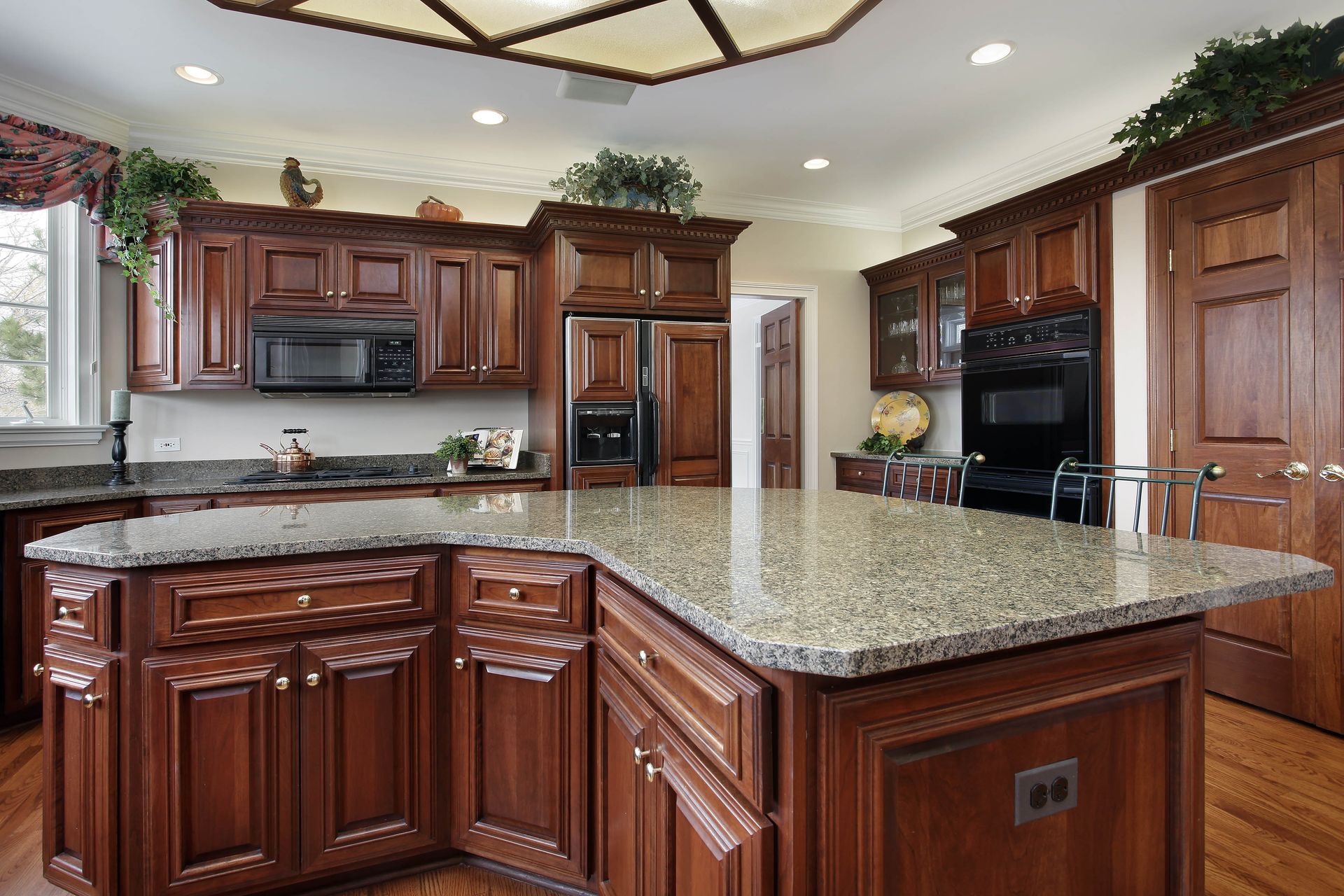
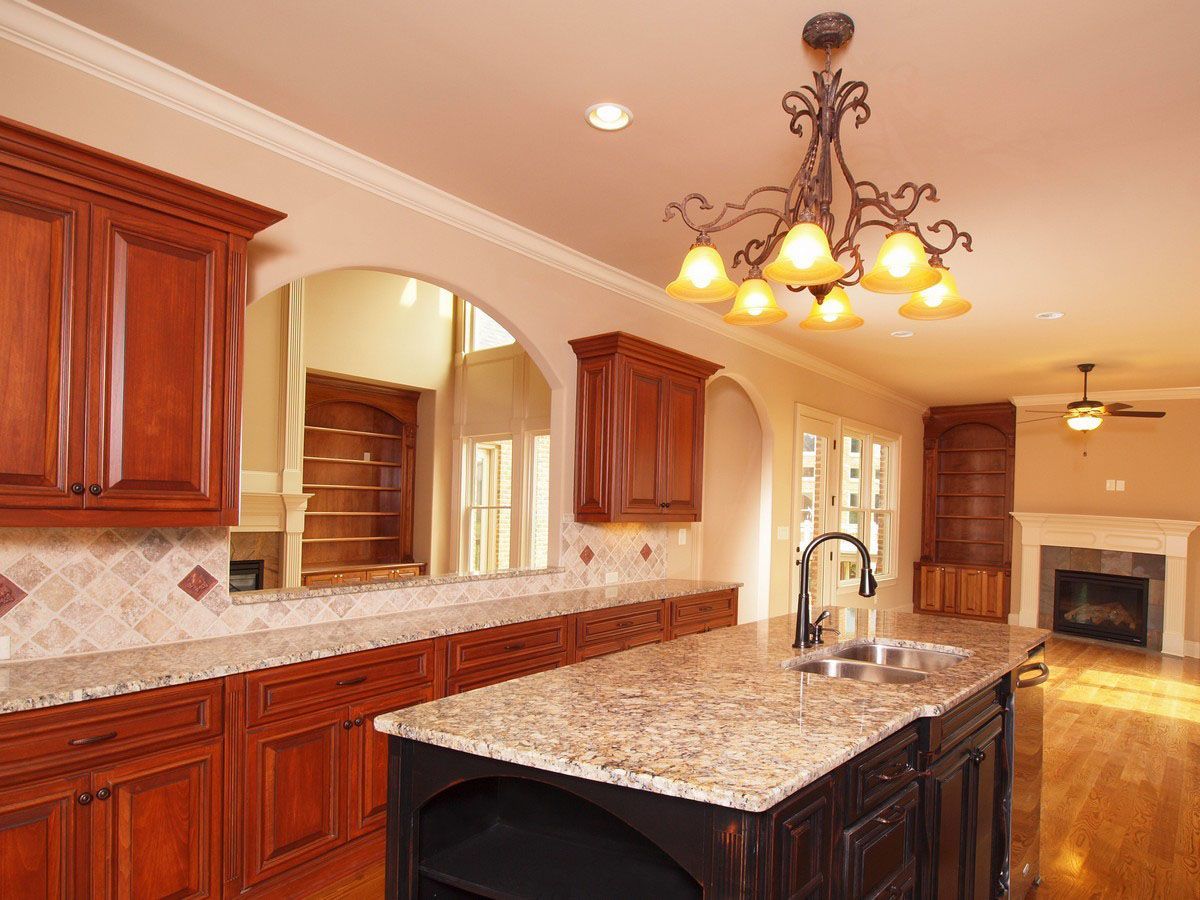
When considering custom countertops, the first decision revolves around materials. Granite, marble, quartz, and solid surfaces each offer their unique aesthetics and functionality. Granite provides a natural and elegant look, while quartz is prized for its durability and ease of maintenance. Each material has different price points, varying greatly in cost depending on factors like rarity and source location. Understanding these distinctions is crucial in making a well-informed choice.
Beyond aesthetics, assess the durability and maintenance requirements for each material. Granite may require periodic resealing to prevent staining, while quartz offers a non-porous surface that is easier to clean and maintain. Marble requires more delicate care due to its softness and susceptibility to etching, making it less ideal for high-traffic areas. Consider your lifestyle and the countertop's usage to determine the best fit for durability. Balancing these aspects with care ease will ensure a lasting investment.
Environmental considerations have also become increasingly important for many homeowners. Some materials, such as recycled glass and certain engineered surfaces, offer eco-friendly options for the environmentally conscious. It's also worthwhile to explore trends and innovations, as new materials that blend aesthetics with performance are continuously emerging. Leveraging the right choice can offer both environmental benefits and cutting-edge design, aligning with the latest trends.
2. How to Choose the Right Supplier or Fabricator?
Selecting the right supplier or fabricator is a critical component of a successful installation. Evaluating reputation and experience involves examining reviews, ratings, and testimonials from previous customers. A reputable supplier should have a history of satisfied clients and a proven track record in delivering quality work. Assessing their experience with the specific material and style you desire will minimize potential risks. Trust in your provider can ensure smooth and efficient project execution.
Reviewing project portfolios is another essential step in the selection process. A supplier's prior work can provide insights into their craftsmanship, attention to detail, and capability to handle complex designs. Examine photos of completed projects, seeking those that resonate with your vision. Do not hesitate to ask questions about methodologies and challenges encountered in similar projects. A well-documented portfolio is a testament to a supplier's capabilities and expertise.
Understanding the quoting process is also vital to avoid unexpected costs. Be sure to obtain detailed estimates and breakdowns of costs, including potential additional expenses such as installation, cutting, or site visits. Check for certifications and warranties that may provide added reassurance in the quality of the materials and installation. Initiating face-to-face consultations or site visits can further clarify expectations and establish a robust communication pathway. Establishing transparency from the onset will facilitate a smoother workflow.
3. What Design Options and Customization Features Are Offered?
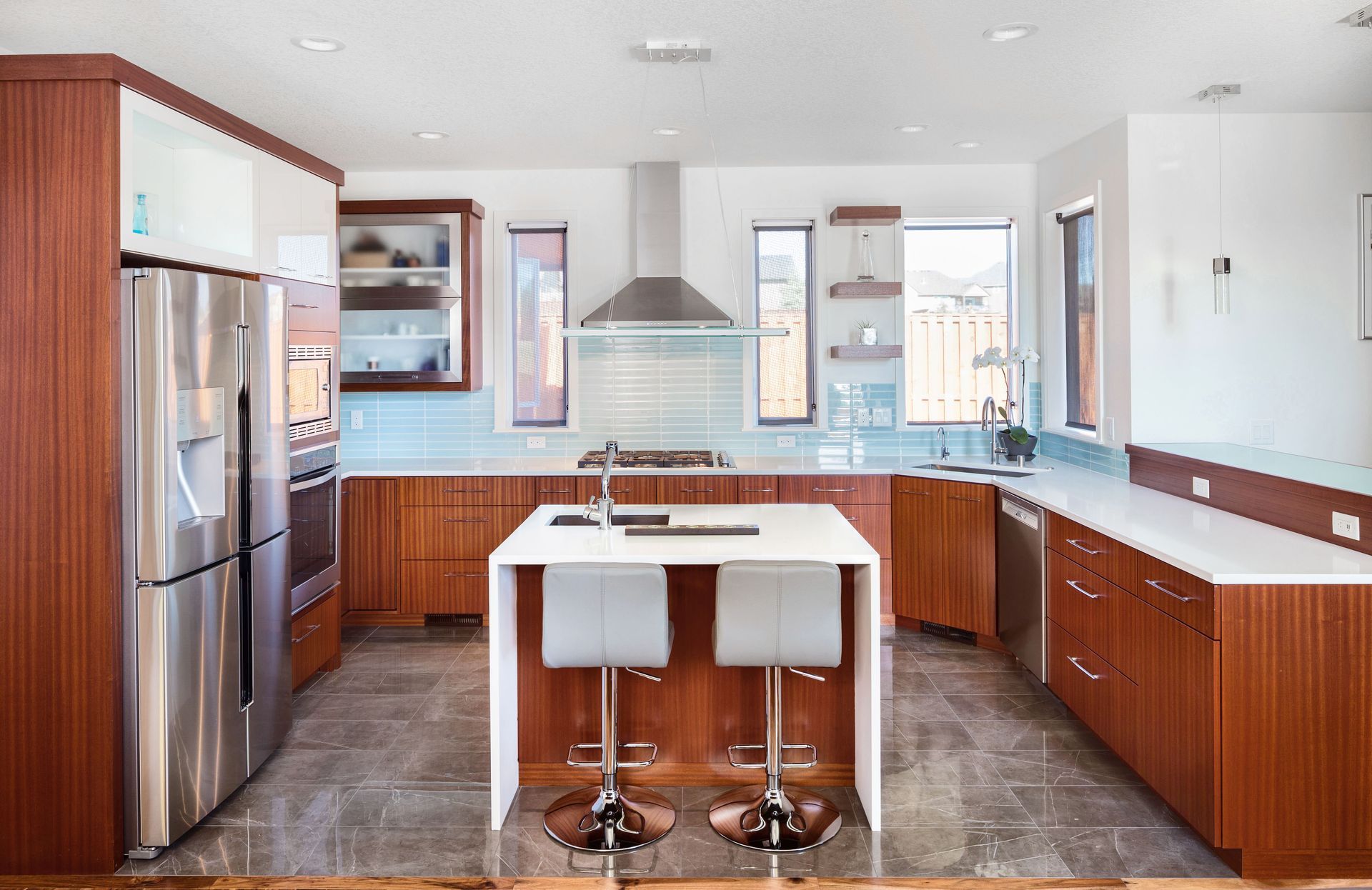
Customization options are abundant, making the exploration of design possibilities both exciting and daunting. One key aspect is the choice of edging and finishing styles. From traditional bullnose and beveled edges to modern waterfall designs, these details can significantly influence the overall aesthetic. The style chosen can also impact functionality and ease of maintenance, so consider your priorities in both design and use. Adding these unique touches can personalize your space, reflecting your style.
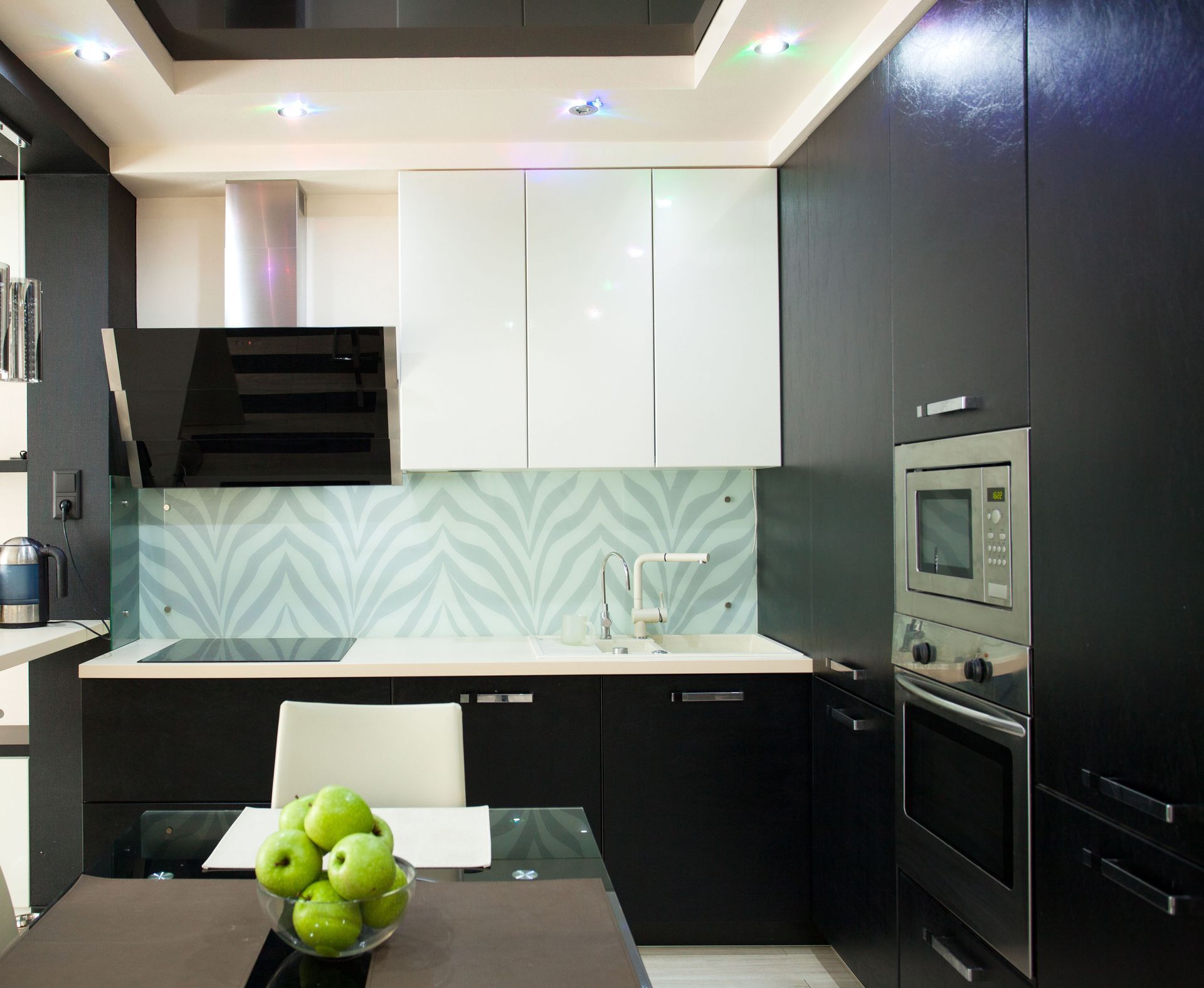
Color and pattern choices are equally important in defining your custom countertop's look. While neutral tones remain popular, vibrant hues and bold textures are increasingly favored for unique statement pieces. Technological advances have expanded the range available, from the natural variances in stone to consistent shades in engineered surfaces. Additionally, integrating backsplashes and inlays can add further character and cohesion to the overall design. Consider options that complement your existing or planned interiors.
Size and shape customization allows tailoring custom countertops to fit your specific spatial requirements. Whether accommodating for an irregular layout or incorporating features like an integrated cutting board, bespoke designs can optimize both functionality and style. Innovative technology options, including integrated smart features or charging stations, can add modern convenience. Ensuring your selection meets practical needs can enhance efficiency and maintain aesthetic integrity.
4. How Should I Prepare My Space for Installation?
Preparation of your space is crucial to ensuring a smooth installation process. Start with accurate measuring and layout planning, accommodating for cabinets, appliances, and other structural elements. Accurate measurements are vital for preventing fit issues and ensuring that the custom pieces are crafted to precise specifications. Consider how the custom countertops will interact with existing features and plan for any necessary adjustments. Preemptive planning can minimize surprises and delays.
Pre-installation detailing is essential for aligning expectations with contractors and coordinating effectively on logistics. Effective communication about your vision and specific requirements can avert misunderstandings. Prepare detailed specifications and blueprints where necessary and ensure all parties are on the same page regarding timelines and responsibilities. Address potential concerns in advance to facilitate a seamless installation journey. Clarity from the beginning fosters productivity.
Ensure the installation area is adequately cleared and protected. Removing furniture, decor, and obstacles can help prevent accidents and provide contractors with unimpeded access. Additionally, consider protective measures for flooring and adjacent structures to avoid unintentional damage. Addressing potential plumbing and electrical needs is of equal importance to ensure accessibility for necessary adjustments. Comprehensive preparation results in a more efficient and secure installation process.
5. What Are the Maintenance and Care Requirements?
Understanding maintenance and care requirements of your chosen material is vital for long-term satisfaction. Daily cleaning regimes should align with the material's characteristics – materials like quartz typically require only mild soapy water, whereas natural stones might necessitate specific cleaners. Avoid abrasive tools that could damage the surface or finish, particularly with softer materials like marble. Regular attention prevents buildup, stains, and other issues that could prematurely age the surface. Adopting the appropriate cleaning regimen ensures enduring elegance.
Long-term care involves both preventive and restorative efforts to maintain your custom countertops. Stain and scratch prevention techniques, like placing trivets under hot items and cutting boards during food prep, preserve the surface finish. For surfaces requiring resealing, establish a routine to maintain protective layers. Should damage occur, understanding repair options and costs can be beneficial. A comprehensive care plan not only extends longevity but also preserves value.
Professional maintenance services offer valuable solutions for deep cleaning, repairs, and resurfacing. Essential for complex fixes like significant scratches or stains that are beyond DIY efforts, professional expertise can rejuvenate problem areas. Some services also provide annual checkups to proactively manage wear over time. Investing in such services ensures expertise in addressing specific challenges related to your material. It strengthens your countertop's resilience against everyday wear and tear.
By asking these crucial questions, you can make informed decisions that align with your style, functional needs, and budget. A well-planned custom countertop installation not only enhances your home's value but also enriches your daily living experience. As the demand for bespoke solutions increases, ensure that your choices are grounded in sound research and thoughtful consideration. This strategic approach will lead to a successful, satisfactory outcome. Ultimately, it ensures your home reflects your aesthetic ambitions and practical realities. If you're looking for quality custom countertops, contact Slabworks of Montana today.
Share On: