
A Complete Guide to Choosing and Installing the Perfect Kitchen Countertops
Welcome to the ultimate guide on selecting and installing kitchen countertops. By the end of this guide, you'll be equipped to make informed decisions for your kitchen remodeling project. Kitchen countertops are not only functional spaces in your home; they also serve as focal points that define the kitchen's aesthetic. A well-selected countertop can enhance both the usage and beauty of your kitchen space.
Understanding Different Countertop Materials
Granite: The Classic Choice
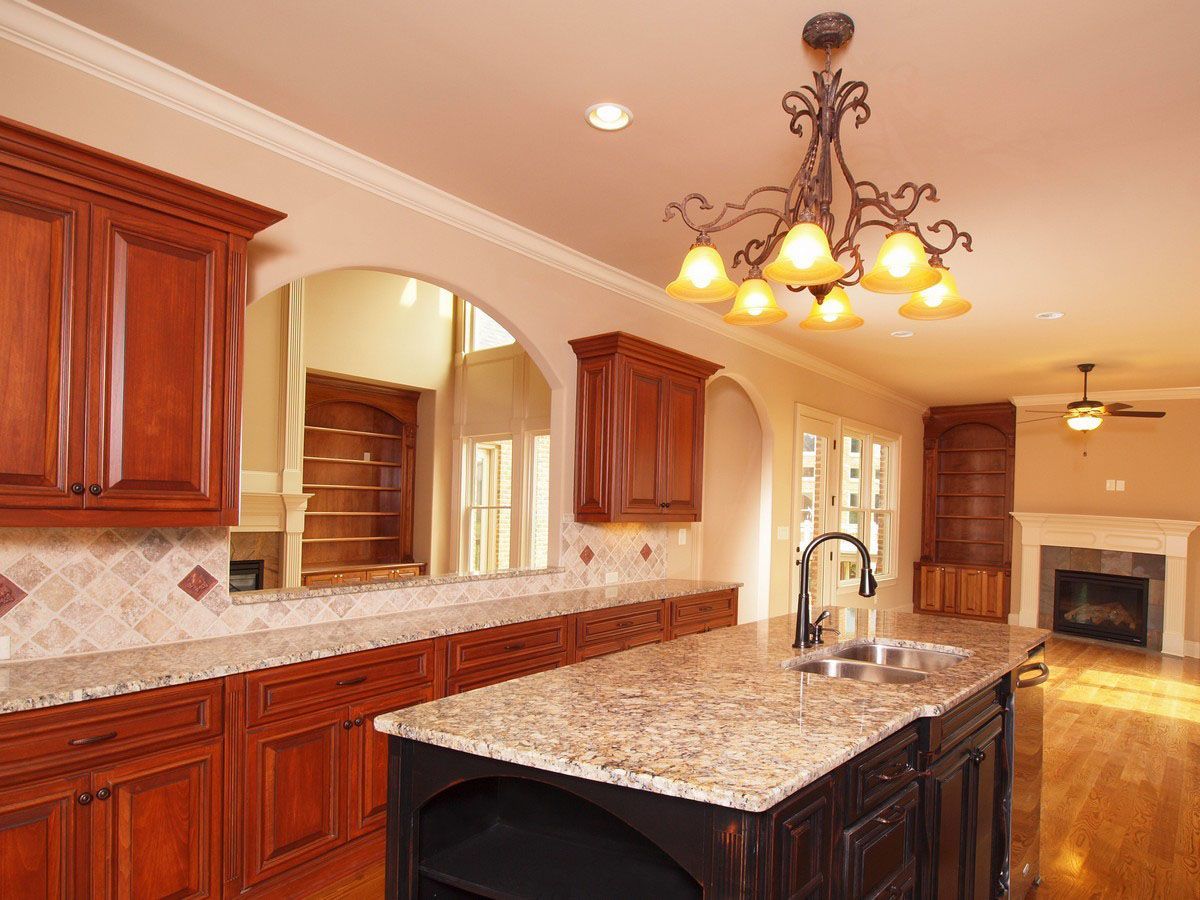
Granite countertops have long been a popular choice for kitchens due to their natural beauty and durability. Each slab of granite is unique, featuring its own blend of colors and patterns, providing a sense of exclusivity. This material is heat-resistant, making it ideal for withstanding the rigors of cooking activities. However, granite requires regular sealing to prevent stains and is susceptible to chips and cracks if subjected to heavy impact. Despite these maintenance needs, granite remains a favorite for those seeking luxury and resilience in their kitchen design.
Quartz: The Engineered Solution
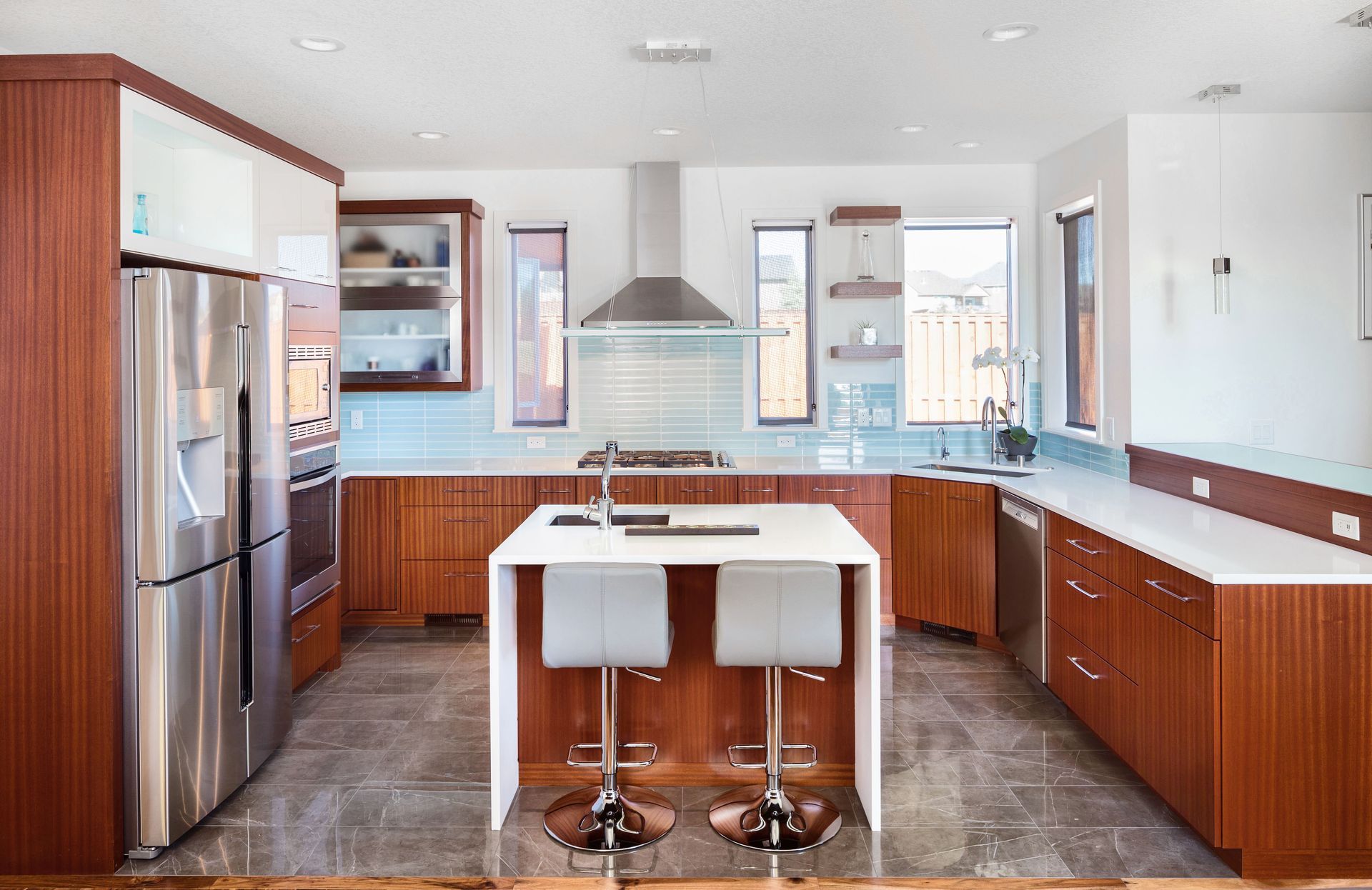
Quartz countertops are engineered from natural quartz crystals mixed with resin, creating a non-porous and low-maintenance surface. Unlike natural stone, quartz offers uniformity in design, making it easier to achieve a consistent look across large kitchen spaces. According to Future Market Insights, engineered quartz was expected to account for around 28% of the market share in 2025, indicating its growing popularity. This material is highly resistant to stains and scratches and does not require sealing, making it ideal for busy households. Its variety of colors and finishes allows homeowners to customize their kitchen aesthetics without compromising practical needs.
Marble: Elegance Meets Functionality
Marble countertops exude luxury and timeless elegance, elevating the visual appeal of any kitchen. Known for its distinctive veining, marble offers a natural and artistic touch that enhances both traditional and modern kitchen designs. While it's softer than granite and quartz, it can withstand moderate use but needs protection from acidic spills and sharp objects. Regular maintenance, including sealing, is crucial to preserving marble's beauty and preventing etching. Despite its delicate nature, marble remains beloved for its unmatched beauty and sophistication.
Laminate: Budget-Friendly and Versatile
For homeowners looking to remodel on a budget, laminate countertops offer an economical alternative without sacrificing style. Laminate is made from layers of paper or fabric impregnated with resin, providing a wide array of colors and patterns, including designs that mimic natural stone. This material is easy to clean and maintain, though it may not be as durable as stone options, being more susceptible to heat and scratches. Despite these limitations, advancements in laminate technology have significantly improved its appearance and lifespan. Its affordability and versatility make it a viable choice for many kitchen renovations.
Butcher Block: A Warm, Rustic Feel
Butcher block countertops bring warmth and natural beauty to kitchens, creating a cozy and inviting atmosphere. Made from pieces of wood bonded together, this countertop material is perfect for those seeking rustic or farmhouse aesthetics. While it is softer than stone, making it prone to scratches and dents, it's easy to sand and refinish to restore its original appearance. Regular oiling is necessary to protect the wood from moisture and prevent cracking over time. Butcher block is an attractive choice for those who value its unique charm and practicality.
Selecting the Right Style for Your Kitchen
Traditional vs. Modern Designs
Choosing between traditional and modern designs depends on the overall theme of your home and personal preferences. Traditional kitchens often feature ornate details, warm colors, and classic materials like marble or wood, creating a cozy and timeless appeal. Modern kitchens lean towards minimalist aesthetics, favoring sleek lines, minimal ornamentation, and materials like quartz or stainless steel. The style you choose should reflect both your personal taste and complement the architectural elements of your home. Blending elements from each style can also create a unique, eclectic kitchen that reflects your individuality.
Coordinating With Existing Cabinets
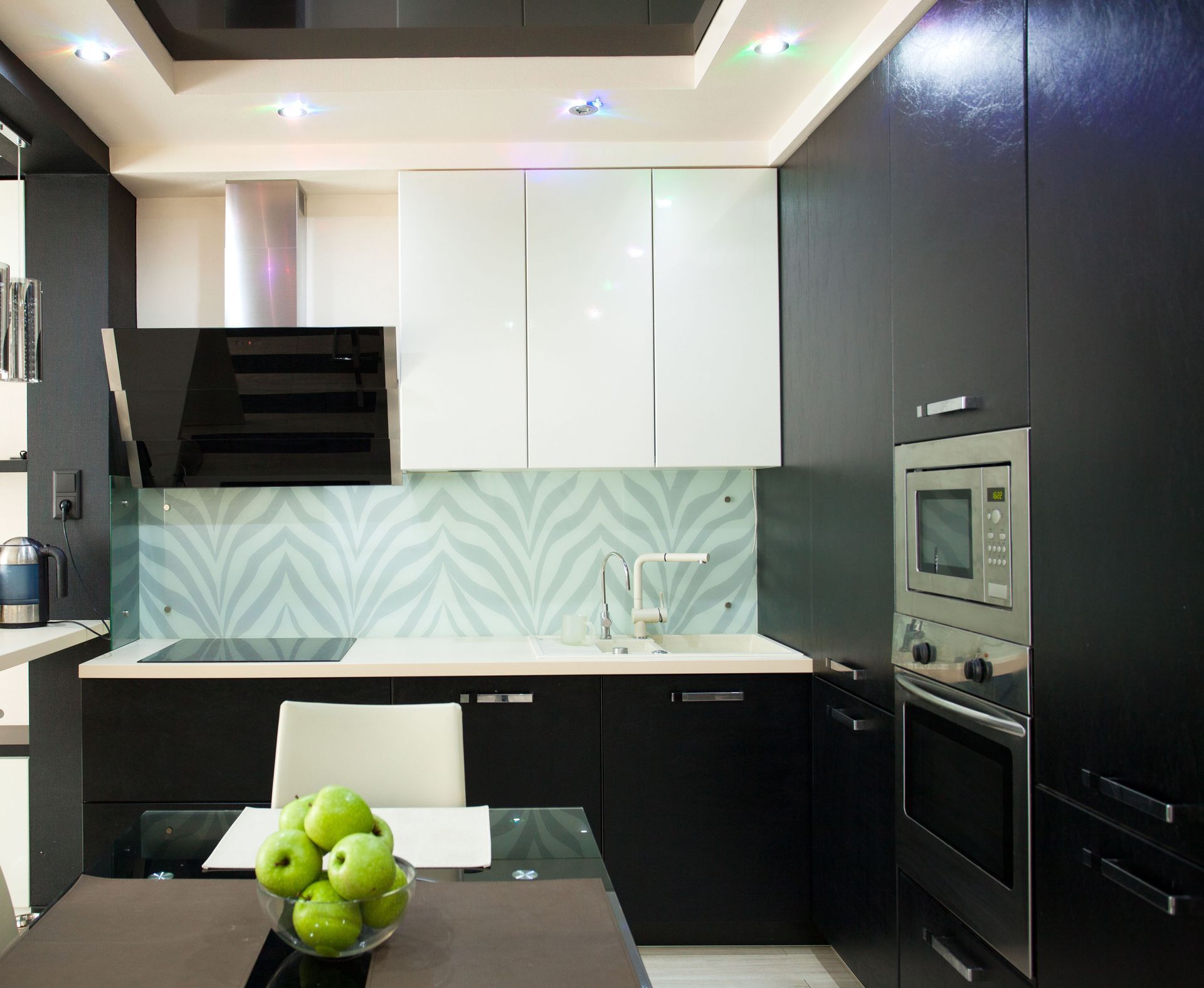
Coordinating your kitchen countertops with existing cabinetry is essential for a cohesive kitchen design. The color and finish of your cabinets can heavily influence the choice of countertop materials and colors. For example, dark cabinets can be balanced with lighter kitchen countertops to create contrast and prevent the space from feeling cramped. Using complementary colors or matching materials can unify the design, enhancing the kitchen's overall aesthetic. Experimenting with color samples and consulting design professionals can assist in achieving the desired harmony.
Color Schemes and Patterns
Color schemes and patterns play a crucial role in setting the mood of your kitchen space. Neutral colors like whites, grays, and beiges offer versatility and timelessness, easily adapting to changing design trends. Bold colors or unique patterns can add a dramatic flair, making your kitchen a standout feature in your home. However, it's important to balance vibrant choices with practicality, as bold designs might overwhelm smaller spaces. Selecting colors that complement the rest of your home's decor ensures a seamless transition between rooms.
Incorporating Custom Edging and Details
Custom edging and details can enhance the aesthetic appeal of kitchen countertops, adding a touch of personalization. Various edging styles, such as bullnose, ogee, or beveled edges, can complement different design themes, from traditional to contemporary. Additional customizations, like integrated sinks or backsplash extensions, can also add functionality and enhance visual interest. Considering these details during the planning stage can ensure they fit cohesively with the overall design. Working with skilled craftsmen or designers can bring these unique elements to life, reflecting your unique style.
Maintaining and Caring for Your Countertops
Daily Cleaning Best Practices
Maintaining the appearance and hygiene of countertops begins with consistent daily cleaning routines. For most materials, a gentle cleanser with a neutral pH and a soft cloth should suffice, preventing surface damage from abrasive chemicals. Wipe spills promptly to prevent stains, particularly on porous surfaces like granite and marble. Avoid harsh scouring pads and acidic cleaners that can leave scratches or cause dullness. Maintaining a routine cleaning schedule helps preserve the longevity and beauty of your countertops.
Sealing and Protecting Different Materials
Each countertop material has specific maintenance requirements, including sealing schedules to protect against stains and damage. Granite and marble typically benefit from annual sealing to restore their luster and increase their resistance to moisture and stains. Quartz does not require sealing due to its non-porous structure, but it benefits from regular cleaning to maintain shine. Butcher block requires food-grade mineral oil application to prevent drying and splitting. Understanding these needs and adhering to them prolongs the life and appearance of your surfaces.
Dealing with Stains and Scratches
Addressing stains and scratches quickly can prevent long-term damage to kitchen countertops. For granite and marble, consider the use of a poultice to lift stubborn stains without further damaging the surface. For surface scratches on quartz or laminate, gentle sanding and special repair kits can often restore the surface. Butcher block may require sanding and re-oiling to erase deeper cuts and blemishes. By taking timely action, unwanted marks can be minimized, preserving your countertop's elegance and value.
Avoiding Heat and Impact Damage
Preventing heat and impact damage is integral to maintaining the condition of your countertops. Use trivets or heat pads to protect surfaces from hot cookware, especially on materials like laminate and wood, which are more susceptible to heat damage. Exercise caution when handling heavy pots and pans to avoid accidental dropping and subsequent impact damage, particularly on granite and laminate. Regularly check for and address any developing cracks or weak points before they worsen. These preventative measures help avoid costly repairs and ensure countertop durability.
Selecting and installing the perfect kitchen countertops involves careful consideration of materials, budget, style, and installation methods. By understanding the intricacies of each component, homeowners can create a kitchen environment that is both functional and visually appealing. From exploring traditional designs to embracing modern innovations, the options are vast and varied. Through strategic planning and thoughtful choices, your kitchen can become a true reflection of your tastes and needs. Keep these guidelines in mind as you embark on your kitchen transformation journey, ensuring a rewarding and well-executed project. Reach out to Slabworks of Montana today to get started.
Share On: